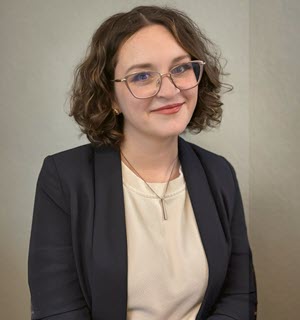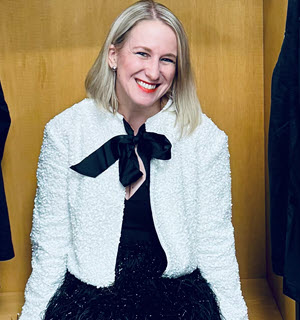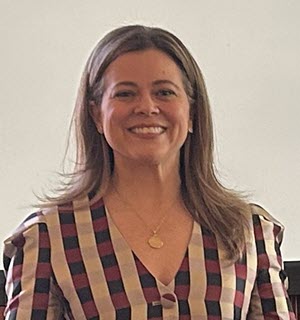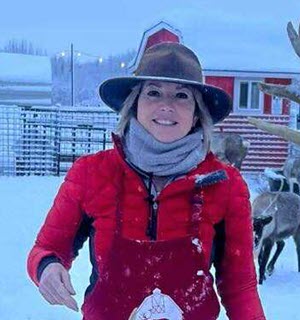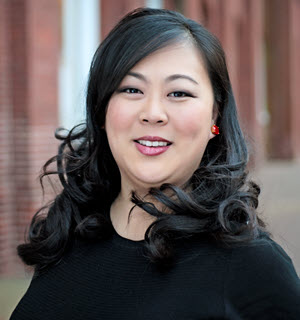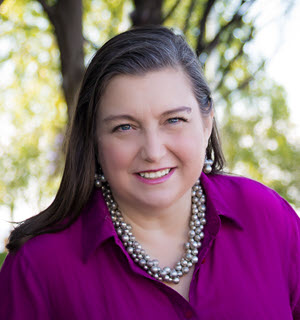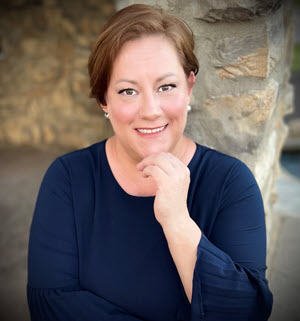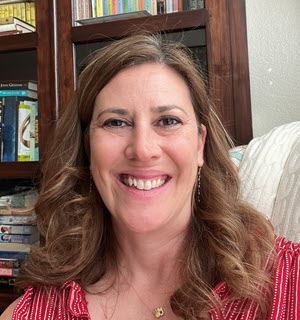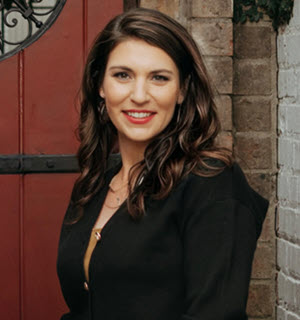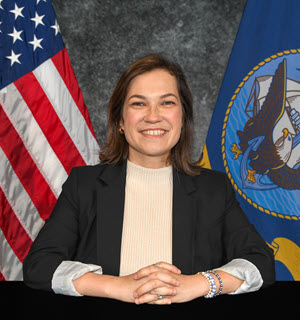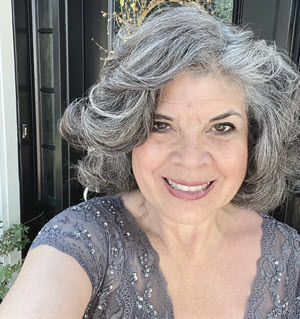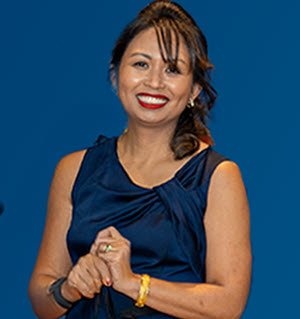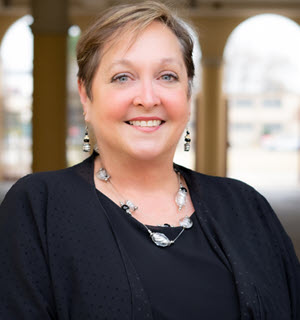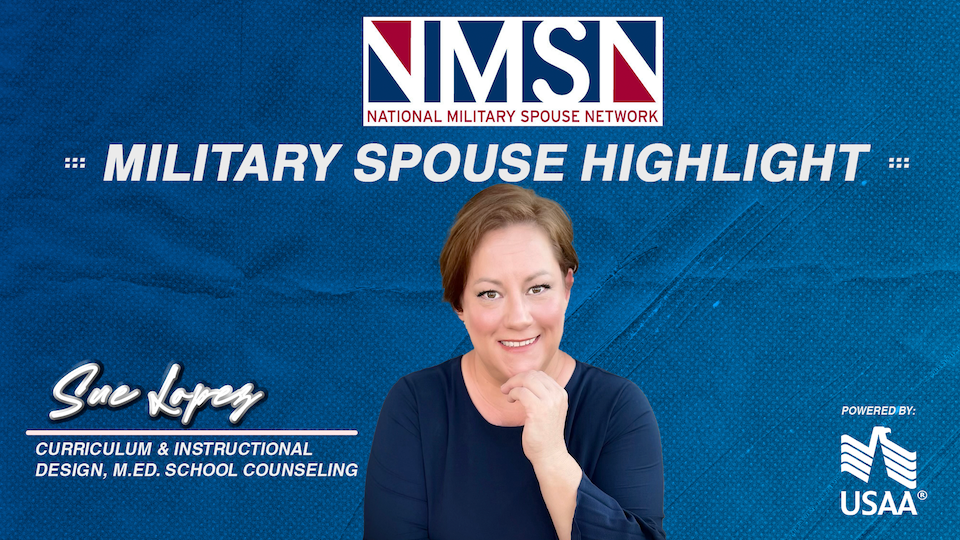
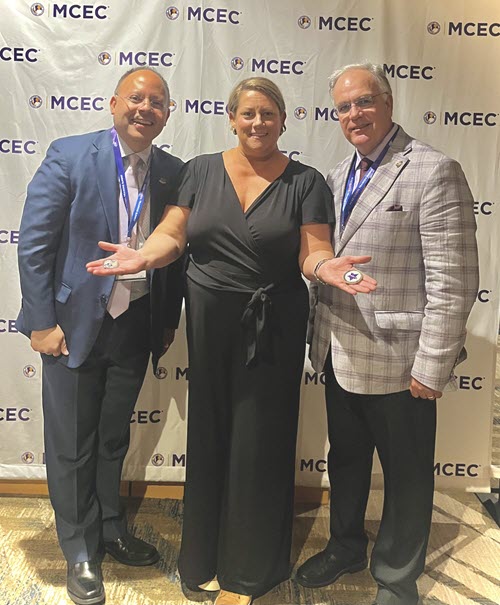
Sue Lopez
Curriculum & Instructional Design, M.Ed. School Counseling
Service Member's Branch - Army
Service Member's Status - Retired - 26 years
 |
What has been your military spouse career/entrepreneur journey so far?
We began our US Army career in 1998. Our first duty station was Fort Hood, Texas. Our lives changed dramatically on 9-11. Since then, our family experienced 14 PCS relocations, four combat tours, and a non-accompanied tour in Korea. Throughout every relocation, I worked as an educator, athletic coach, and later as a social emotional counselor under a DODEA grant (2016-2020). In 2020, I turned my career towards curriculum and instructional design to have a larger impact on those who work with military-connected students and families in K-12 education settings.
Tell us about yourself.
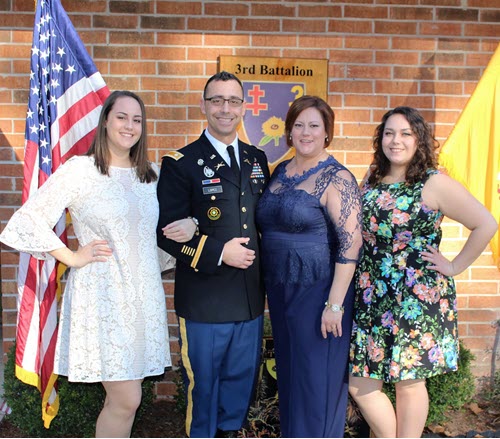
My name is Sue Lopez and I currently live in the Kansas City area. We recently retired out of Fort Leavenworth, Kansas. Our family served in the US Army from 1998–2024. I am a licensed school counselor and currently work as a curriculum and instructional designer for MCEC. I am extremely proud of our two adult daughters who have continued the family tradition of being an educator. I enjoy live music, farmer markets, painting, and water sports.
Tell us about a "typical" day in your professional life.
My work day varies by projects and are usually centered around research and design of professional courses in our learning management system. I collaborate with subject matter experts to deliver online, in-person or hybrid professional development as well as webinars, and podcasts. I reference my own life experience as a military spouse, school counselor, and parent to provide support to military-connected students and families experiencing school transitions. Also, I use data- and evidence-based research to provide individualized education transition support for military-connected students and families as well as guidance for other youth serving professionals.
If you've been stationed overseas, how did this affect your career and or business?
We were stationed in Germany during 2006-2010. During this time, I worked as a teacher and athletic coach for DODEA. I was fortunate to be able to continue working in my education career during this time. In 2012, I went back to school to get my M.Ed. In School Counseling. I selected an online program to accommodate the highly mobile military career. During this process, our family relocated three times during my masters education, which I completed in 2016.
What has been your biggest military spouse career struggle and how did you overcome it?
Completing my education and career goals have been my biggest personal challenge. I overcame this challenge with persistence and guidance from mentors who encouraged me to continue pressing towards my goals. My mentor said one statement that changed my perspective and life, “If you can't have the career you desire, build a volunteer career that will help you reach your goal one day.” I continue to pass this advice to all of the young spouses I have mentored over the years.
What role did mentors and sponsors play in your journey?
My mentors were the most amazing gift of my military spouse experience. I was blessed by so many amazing women over our career who provided life, career, and spiritual life mentorship. I have been blessed!
How does your career path differ from what you imagined for yourself?
I always wanted to be in a secondary education setting. The pause in my education career led me to my true desire of being a high school counselor. For me, it was about remaining true to who I was throughout all of the transitions associated with the military lifestyle. In every location, my professional skills were expanded in different areas of the education profession. This gave me a broader perspective to work in my current capacity today. In all of the professional developments, webinars, and podcasts I do today, I reference my personal experiences as a parent, educator, school counselor, administrator, and district leadership perspective to create a well rounded and practical finished product.
How did military life (PCSing, deployments, trainings, etc) factor into your career decisions?
Honestly, this impacted every area of life from military PCS relocation, the deployment cycle, the social-emotional reintegration cycles, and career progression. However, I am a more resilient, compassionate, empathetic, and well-rounded person today because of my life experience.
Have you ever had to geo-bach due to your career/entrepreneurship?
Korea was the only time our family experienced the geo-batch experience. What I learned is that my ability to be resilient shaped the success of our family and marriage.
What resources have you found to be useful in your career/entrepreneur journey?
One of the most impactful resources in my journey as a military spouse has been the power of purposeful volunteering. As a young spouse navigating new duty stations and the unpredictability of military life, I immersed myself in opportunities with the American Red Cross, Army Family Action Plan (AFAP), Army Family Team Building (AFTB), and the Protestant Women of the Chapel (PWOC). A wise senior spouse once told me, “If you cannot have the career you desire, build a volunteer career that will help you establish a future career.” That advice became my guiding principle. Over the past 26 years, volunteering not only filled the gaps left by frequent moves but also equipped me with critical leadership, communication, and organizational skills that translated directly into my professional path. These roles helped me secure community grants, including the MYCAA grant, which played a pivotal role in earning my bachelor's degree and, eventually, my M.Ed. in School Counseling. Among all these, PWOC stood out as a cornerstone for both personal growth and professional development, offering mentoring, connection, and leadership opportunities at every stage of my journey.
If you and/or your spouse have transitioned from active duty to your current status, what resource or tool did you find to be the most helpful?
Transitioning from active duty to civilian life was, by far, the most challenging phase of our military journey. Unlike previous relocations or deployments, this shift came with a deep sense of identity change and uncertainty about the future. What helped me most was leaning into the network of resources I had built over the years. I relied heavily on collaborative connections with local, installation, and national organizations. The Military Child Education Coalition (MCEC) offered continuity and guidance for our high school and post-secondary transitional needs, while the Service Members, Veterans, and their Families Technical Assistance Center (SMVF-TA) provided vital mental health and systems navigation support. The Institute for Veterans and Military Families (IVMF) helped us translate military experience into meaningful civilian careers, and The COMMIT Foundation offered personalized transition coaching and mentorship. Each of these organizations played a key role in helping us navigate the emotional, logistical, and professional hurdles of post-military life with purpose and confidence.
Final word: what are your top tips for other military spouses about navigating a career within the military lifestyle?
I would say my number one tip is to surround yourself with other successful people who are like-minded and are reaching goals that align with your own. Seek out transition resources like Hiring Our Heroes, 4-Block, Commit Foundation and other internship based organizations to help you reach your professional goals.
| Listen to an interview with Sue to hear more about her story. |
Tell Us YOUR Story |
Meet Spouses from Previous Weeks: