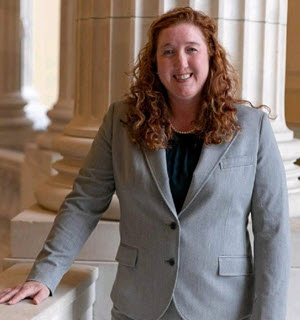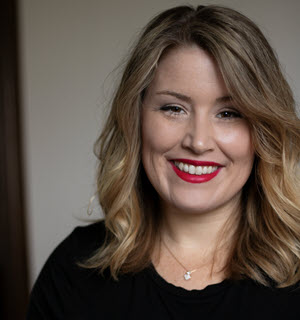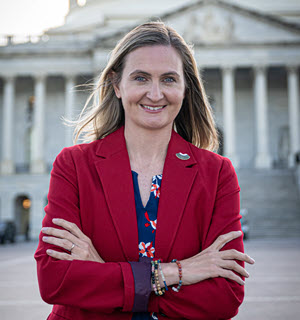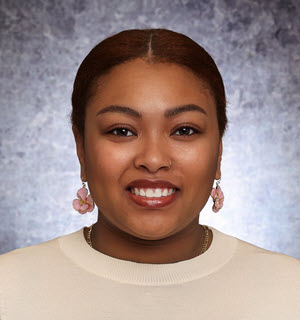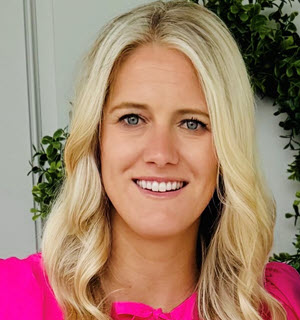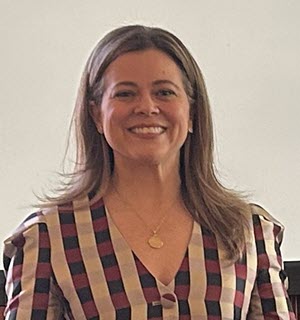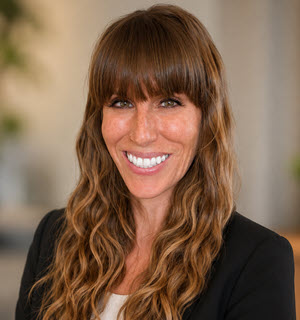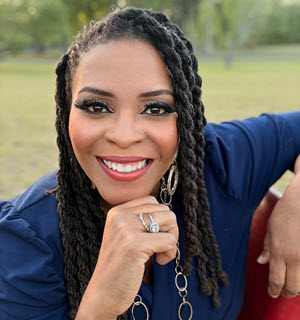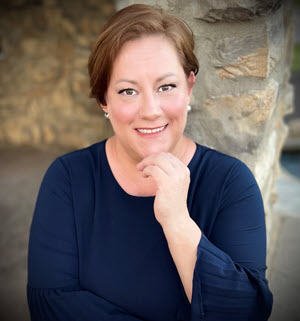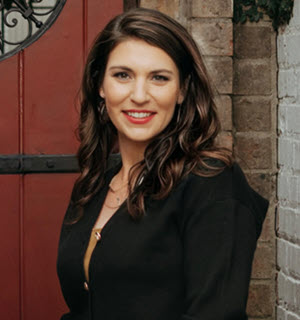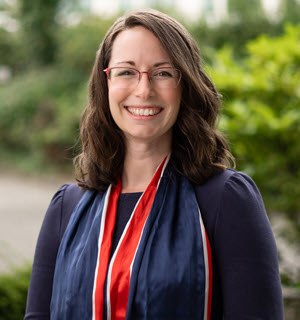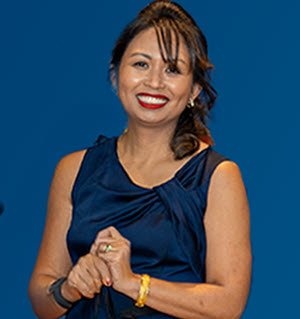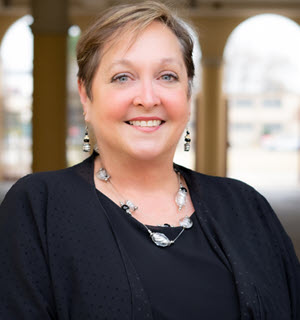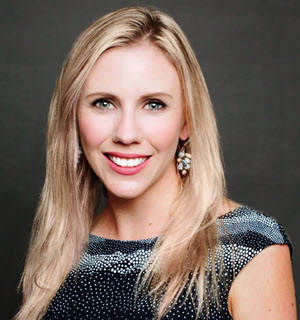
Nichole Lovejoy
Chief Mission & Advancement Officer
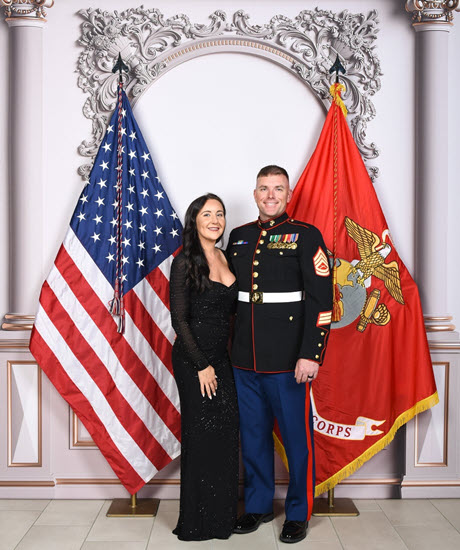
Service Member's Branch - Marine Corps
Service Member's Status - Currently Serving - 16.5 years
 |
 |
 |
What has been your military spouse career/entrepreneur journey so far?
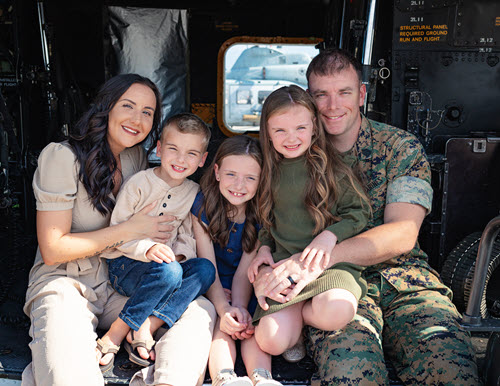
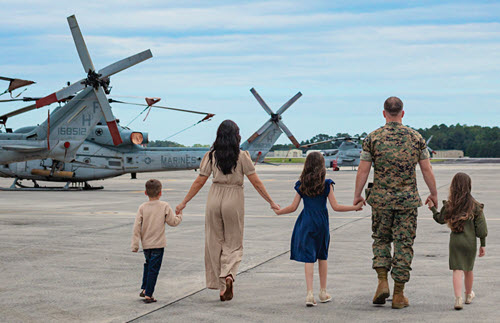
Our military journey began long-distance, navigating love across states until we married and welcomed our first child while my husband was deployed. Soon after he returned, we faced the challenges of recruiting duty and had our second baby. With two little ones in tow, I moved to another state to focus on my career, waiting for him to complete his assignment—only to discover we were expecting our third. Fast forward five and a half years, we've planted deep roots in a new community, thriving and settling into what we hoped would be our forever home—just in time to learn he's received new orders with only three years left to serve.
Tell us about yourself.
My name is Nichole. I live in Jacksonville, NC. I am a passionate community leader and dedicated military spouse who thrives on building strong connections. As the Chief Advancement Officer at the New River YMCA, I leverage my expertises in marketing and nonprofit leadership to make a meaningful impact. Deeply involved in my community, I serve as a Command Team Advisor, a member of the Military Affairs Committee at Camp Lejeune, and on numerous nonprofit boards. I am active in our local church serving as a life group leader and connections director. I am also a proud mom to 3 beautiful children who loves spending time with my family, finding joy in both everyday moments and working out.
Tell us about a "typical" day in your professional life.
A typical day as the Mission and Advancement Officer at the New River YMCA involves building strong community relationships, engaging with donors and stakeholders, and promoting the Y's mission through impactful storytelling and outreach. Mornings often start with strategic planning or meetings with local partners and staff to align on program goals and upcoming events. Midday might include writing grants, managing fundraising campaigns, or visiting with donors to share how their support is making a difference. Afternoons are often spent coordinating marketing efforts, attending community events, or mentoring team members. Each day is a blend of purpose-driven leadership, connection, and collaboration—all centered around strengthening the community through the YMCA's mission.
What has been your biggest military spouse career struggle and how did you overcome it?
One of my biggest struggles as a military spouse has been timing—trying to build a career in between constant transitions, solo parenting, and unpredictable schedules. There have been seasons where I've had to carry the full weight of our home on my shoulders, with three kids depending on me, all while trying not to lose sight of my professional goals. It's a constant juggling act of being present for my family and committed to my career, often in environments where support is limited and obstacles show up at the worst possible times.
What role did mentors and sponsors play in your journey?
But what's made the difference is having a support system—friends who step in, mentors who understand the challenges of military life, and communities that offer encouragement when I need it most. That village doesn't erase the challenges, but it reminds me that I don't have to face them alone. It's in those moments of support that I find the strength to keep going, keep growing, and keep showing up—for my family and for myself.
How does your career path differ from what you imagined for yourself?
My career path hasn't followed a straight line—it's bent, paused, and pivoted more times than I can count, all because of the unique challenges that come with being a Marine Corps spouse. Every PCS move, every deployment, and every unexpected shift in our family's life has required me to reevaluate and reimagine what my career could look like in that season.
How did military life (PCSing, deployments, trainings, etc) factor into your career decisions?
For so long, we've shaped our lives around the Marine Corps. We've moved when we were told, adapted to each new base, and rebuilt community time and time again. But now, as we look toward life beyond active duty, we're asking harder questions. What's best for the long-term? How do we give our kids stability while still pursuing the opportunities we've both worked so hard for?"
Have you ever had to geo-bach due to your career/entrepreneurship?
This is a new adventure that we unfortunately will be experiencing soon.
What resources have you found to be useful in your career/entrepreneur journey?
Throughout my career, I've found a variety of resources to be incredibly valuable. Books, podcasts, and online courses have played a major role in building both my knowledge and confidence, especially in areas like leadership, marketing, and personal development. Networking groups and mentorship programs like Rotary, the Chamber of Commerce, Veterans Business collective and other local groups have also been essential, providing not just guidance, but real-world advice and encouragement from people who have walked a similar path. Professional development workshops and webinars have helped me stay up-to-date with industry trends and sharpen my skills. Additionally, investing time in community organizations and collaborative spaces has opened up opportunities for growth, partnerships, and fresh ideas that have been critical to my success.
Final word: what are your top tips for other military spouses about navigating a career within the military lifestyle?
Navigating a career as a military spouse requires a mix of flexibility, persistence, and creativity. One of my top tips is to stay open to opportunities that may not look exactly like your original plan—sometimes a side step or a temporary role can build valuable skills and connections. With a degree in marketing, my plan wasn't to work in advertising sales, but the relationships and connections made were essential and a stepping stone to get where I am now. Networking is essential; tap into spouse groups, professional organizations, nonprofits and local communities wherever you're stationed. Invest in your education and certifications whenever possible. Be flexible and open minded. Transition periods can be unpredictable, but it's also a time to reassess and realign your career goals. Lean into resources offered by veteran support programs and stay proactive about building your network outside of the military community. Above all, remember that your career is a journey—not a straight line—and every experience adds value to your story.
| Listen to an interview with Nichole to hear more about her story. |
Tell Us YOUR Story |
Meet Spouses from Previous Weeks: