
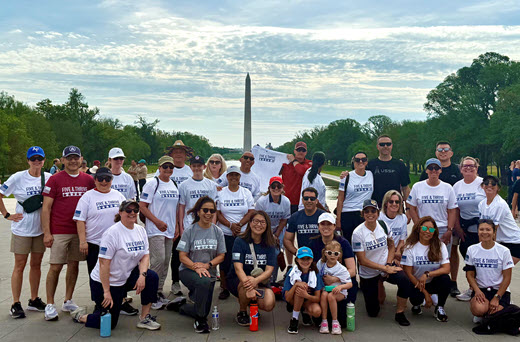
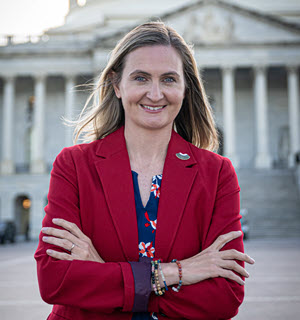
Leslie Janaros
MOAA Vice President of TotalForce+ | Co-Founder of Five & Thrive
Service Member's Branch - Air Force
Service Member's Status - Retiree - 30 years
 |
What has been your military spouse career/entrepreneur journey so far?
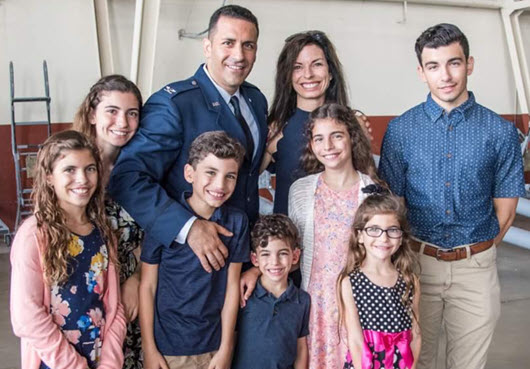
My career journey began after meeting my husband through Air Force ROTC at Florida State University. Following graduation, I served eight years in the Air Force as an Air Force Office of Special Investigations (OSI) Special Agent, finishing my military career as Commander of AFOSI Detachment 411. As our family grew, my focus shifted to raising our seven children while supporting our family's military journey through frequent moves, seasons of homeschooling, and volunteer leadership in the military community. During that time, I co-founded Five & Thrive to advocate for military families. I later joined Flatter, Inc. as the Force Development Project Manager, supporting senior leader development for the Department of the Air Force, before joining MOAA, where I now serve as Vice President of TotalForce+.
Tell us about yourself.
My name is Leslie Janaros, and I am both an Air Force veteran and an Air Force spouse of nearly 30 years. Military life has given me the opportunity to serve in many different roles while navigating frequent moves and raising a family. Today, I serve as Vice President of TotalForce+ at MOAA and co-founded Five & Thrive, where I work to improve quality of life for military and veteran families. Outside of work, I enjoy reading (mostly historical fiction), hiking, traveling, and spending time with family and friends.
Tell us about a "typical" day in your professional life.
There really isn't a typical day. I spend most of my time collaborating with teammates and partners, meeting with government and community leaders, planning programs and events, and working on projects that support service members, veterans, and military families. What I enjoy most is connecting people and ideas in ways that can make a lasting difference.
If you've been stationed overseas, how did this affect your career and or business?
While we were stationed overseas twice, those assignments coincided with a season when I was focused on raising our young family, so I wasn't actively seeking employment. Although that wasn't my personal challenge at the time, I've watched many talented military spouses struggle to find meaningful work because of limited opportunities and the short length of overseas tours. Seeing those challenges firsthand reinforced my belief that military spouses deserve more flexible, portable career opportunities.
What has been your biggest military spouse career struggle and how did you overcome it?
The biggest challenge in my career journey was returning to the workforce after many years away from traditional employment. Between raising our seven children, supporting our family's military journey, and serving in volunteer leadership roles alongside Jason, I had gained valuable experience but struggled to translate it into a resume that reflected my capabilities. Like many military spouses, I questioned whether employers would see value in a career that looked different from the norm. The support of mentors, networking, and the Military & Family Readiness Center at Lackland Air Force Base helped me prepare for my return to the workforce. When I was ready, the relationships that Jason and I had built over the years led to an opportunity that opened the door to my next career.

What role did mentors and sponsors play in your journey?
Friends, mentors, and relationships built over decades have played an important role in my journey. Jason has been my biggest supporter. After years of supporting his military career, his retirement gave us the opportunity to shift priorities and for me to invest more fully in mine. His encouragement gave me the confidence to pursue opportunities I had intentionally put on hold while raising our family. Along the way, friends and mentors continued to encourage me and remind me that my experiences had value. One of those mentors was Lt Gen (Ret) Brian Kelly, who believed in my potential and gave me the opportunity to join the team at MOAA.
How does your career path differ from what you imagined for yourself?
My career path looks very different than I imagined, and that's something I've shared with my kiddos, especially one of my daughters as she wonders if she's choosing the "right" degree and career. When I was in college, I was certain I wanted to become an FBI agent. Instead, I joined the Air Force and served as an OSI Special Agent, which gave me an opportunity to do something I loved while serving my country. Later came a season focused on raising our family, followed by opportunities I never could have planned, including co-founding Five & Thrive and leading TotalForce+ at MOAA. None of those roles were part of my original plan, but each built on the experiences that came before. If I've learned anything, it's that careers aren't always linear. Be open to opportunities you never expected, because they often lead to work that is just as meaningful, even if it looks different than what you first imagined.
How did military life (PCSing, deployments, trainings, etc) factor into your career decisions?
Military life required me to approach my career differently than I originally expected. Every PCS, deployment, and transition meant Jason and I had to reevaluate our priorities and make decisions together. There were seasons when my career came first (especially in earlier and now recent years), seasons when his did, and seasons when our family needed to be the priority. While my path wasn't always linear, each experience, relationship, and opportunity prepared me for what came next. Looking back, I wouldn't change a thing.
Have you ever had to geo-bach due to your career/entrepreneurship?
Other than spending our first two years of marriage apart while we were both young Lieutenants, we intentionally chose not to geo-bach. Keeping our family together was important to us, so I returned to the workforce later, after Jason retired and it made sense for our family. I recognize that every military family has different circumstances, and I'm grateful we were able to make the choices that were right for ours.
What resources have you found to be useful in your career/entrepreneur journey?
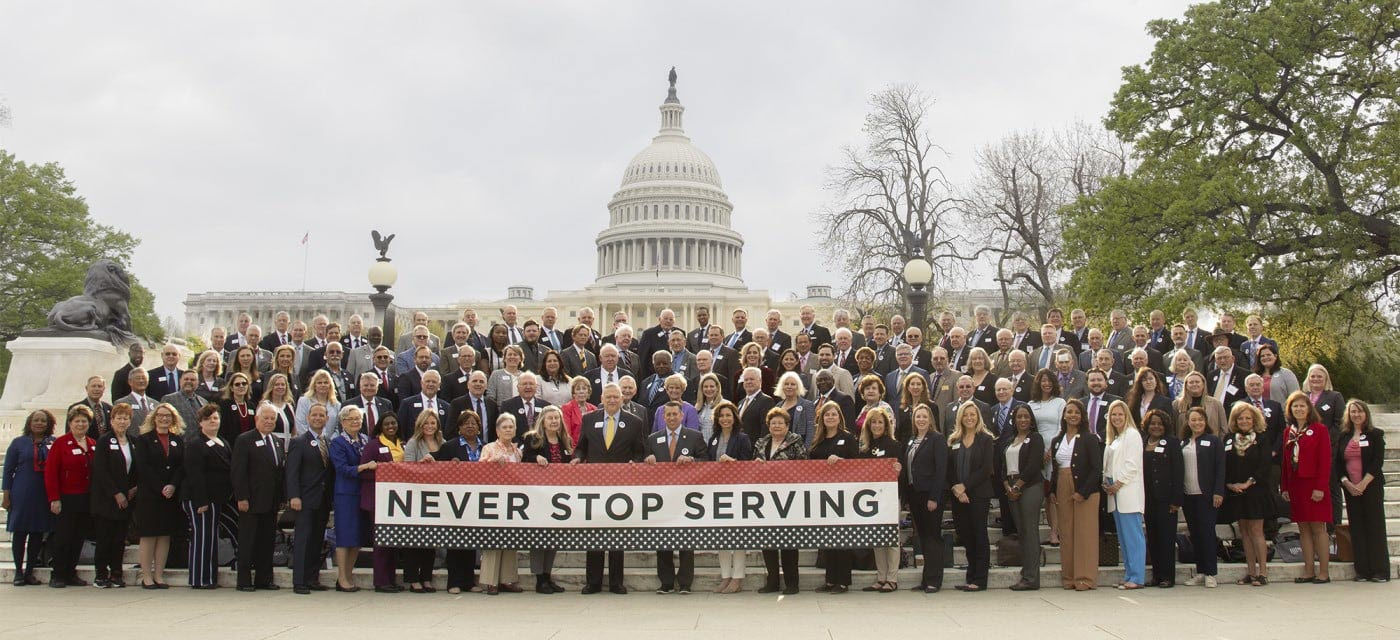
The most valuable resource in my career journey has been the military community itself. Over the years, I've learned that you don't have to navigate military life or your career alone. That belief is also reflected in the work we do through Five & Thrive, where we help connect military families to trusted resources in childcare, education, healthcare, housing, and spouse employment. Organizations like Five & Thrive, Military Officers Association of America, the National Military Spouse Network, Military OneSource, Military and Family Readiness Centers, Hiring Our Heroes, and many others have created incredible opportunities for military spouses. My advice is to build relationships, seek out mentors, and take advantage of those resources. You never know which conversation or connection will open the door to your next opportunity.
If you and/or your spouse have transitioned from active duty to your current status, what resource or tool did you find to be the most helpful?
The most valuable resource during our transition was our network. Connecting with military spouses, veterans, and friends who had already navigated the transition gave us practical advice, perspective, and confidence as we entered a new chapter. I'm also grateful for the many nonprofit organizations that support military families before, during, and after transition. They provide incredible resources, but it's often the relationships built through those organizations that make the biggest difference.
Final word: what are your top tips for other military spouses about navigating a career within the military lifestyle?
There isn't one right way to build a career as a military spouse. Every family has different priorities, and those priorities may change over time. Don't compare your journey to someone else's. Be open to opportunities you never expected, invest in relationships, and don't be afraid to ask for help. Some of the most meaningful opportunities in my career came through people who knew me, believed in me, and encouraged me to take the next step. Most importantly, don't view your career as a straight line. Every season has value, even if it doesn't look like traditional career progression. The experiences you gain along the way often become the foundation for opportunities you never imagined.
| Listen to an interview with Leslie to hear more about her story. |
Tell Us YOUR Story |
Meet Spouses from Previous Weeks:




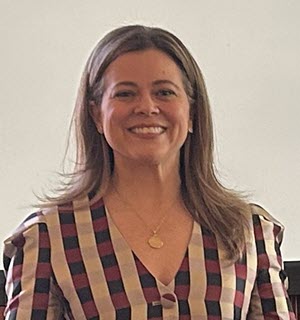
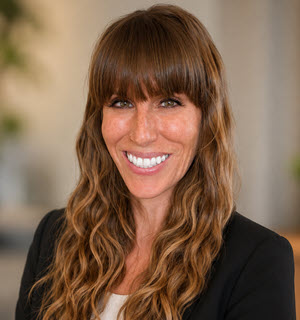

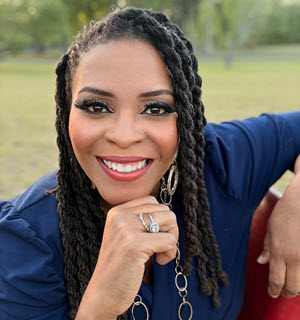
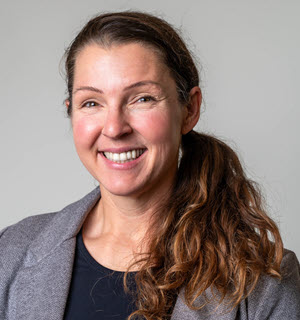




















"The stories, experiences, and perspectives shared in these Military Spouse Highlights are provided by the individual contributors and reflect their personal views. While the National Military Spouse Network (NMSN) is honored to share and celebrate these voices, the content does not necessarily represent the views or endorsements of NMSN."