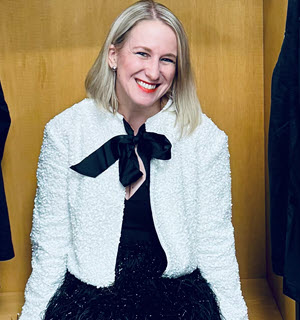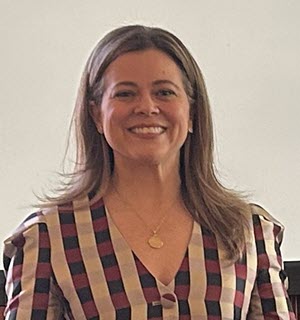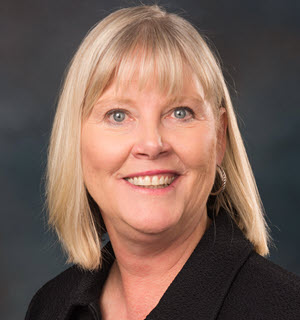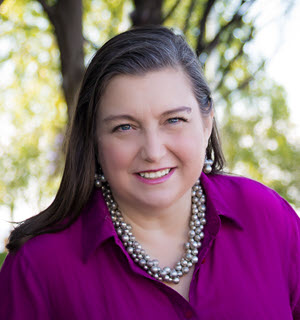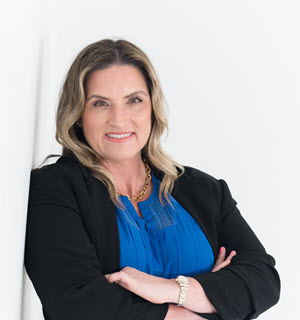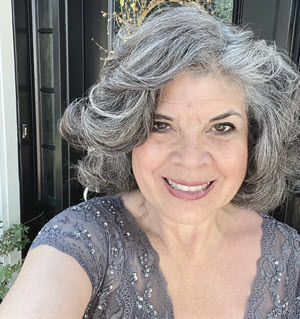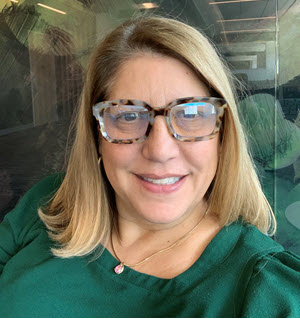
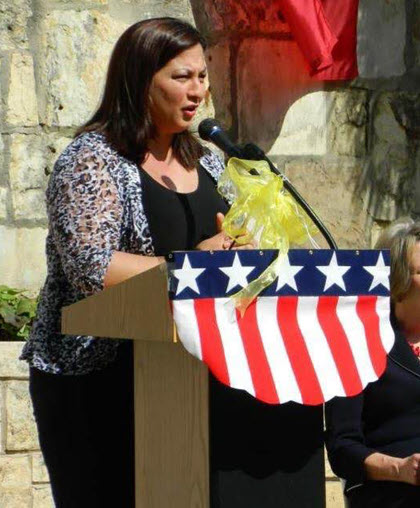
Janet Sanchez
President and Founder
Service Member's Branch - Army
Service Member's Status - Veteran - 25 years
 |
 |
 |
What has been your military spouse career/entrepreneur journey so far?
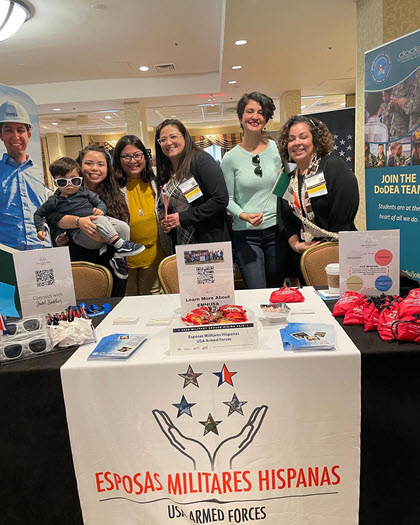
My journey as a military spouse and nonprofit leader began over 17 years ago, when I experienced firsthand the challenges Hispanic families face in navigating military life, especially with language and cultural barriers. What started as an online support group quickly grew into Esposas Militares Hispanas USA Armed Forces®, the first and only nonprofit dedicated solely to serving Hispanic military and veteran families. Over the years, we have built programs ranging from free English and GED classes to scholarships, financial literacy, and domestic-violence support, always adapting to the evolving needs of our community. From grassroots beginnings to now serving more than 65,000 members worldwide, my career has been defined by resilience, advocacy, and the vision to ensure no military spouse or family feels isolated.
Tell us about yourself.
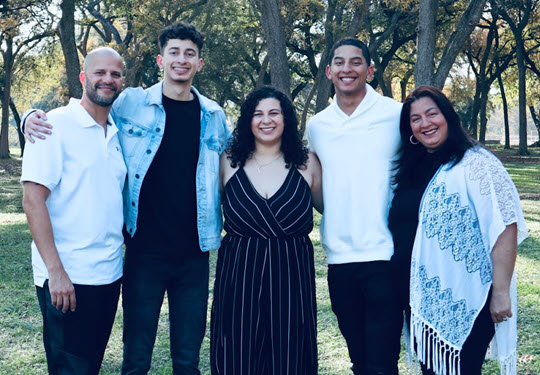
My name is Janet Sanchez, I am a passionate leader, wife, mother, and grandmother who has dedicated my life to serving the military and veteran community. Through Esposas Militares Hispanas USA Armed Forces®, I have helped tens of thousands of families access education, support, and a stronger sense of belonging. My mission is to educate, serve, and motivate others while honoring the sacrifices of our military families.
Tell us about a "typical" day in your professional life.
A typical day in my professional life involves leading and coordinating programs that support military and veteran families, especially those facing language or cultural barriers. I usually begin by reviewing community needs, emails, and ongoing projects, then move into meetings with partners, sponsors, or military leaders to expand programs for military and veteran families. Every day is different, but all are focused on educating, serving, and motivating the Hispanic military community. It is important to also have a balance and take a break during the day for yourself.
What has been your biggest military spouse career struggle and how did you overcome it?
My biggest struggle as a military spouse has been overcoming isolation and the lack of resources available to Hispanic families—especially for those who didn't speak English or fully understand the military system. Early on, I often felt invisible and saw many other spouses going through the same challenges, unsure where to turn for help. I overcame this by transforming that struggle into action. What once felt like a personal obstacle became the foundation of my career and the driving force behind serving tens of thousands of families today.
What role did mentors and sponsors play in your journey?
Mentors, sponsors, and volunteers have all played a pivotal role in my journey as a military spouse and nonprofit leader. Early on, I didn't always have formal mentors, so I learned by seeking guidance from other spouses, community leaders, and professionals who believed in my vision. Over time, sponsors and partner organizations opened doors by providing resources, funding, and opportunities that allowed our programs to grow beyond what I could have accomplished alone. Just as importantly, I have learned from our volunteers every single day. Their passion, resilience, and commitment constantly inspire me and push me to be a better leader. Their support not only validated my work but also reinforced the importance of collaboration, reminding me that building strong networks is essential to creating lasting impact for military families.
How does your career path differ from what you imagined for yourself?
I have always supported and volunteered in my community, but I never imagined myself as the founder and president of a national organization. This path has allowed me to turn challenges into opportunities and build something that truly makes a difference for military families.
How did military life (PCSing, deployments, trainings, etc) factor into your career decisions?
Military life through constant PCSing, deployments, and trainings shaped every decision in my career. The frequent moves made it difficult to build a traditional career path, but they also gave me the perspective and determination to create something portable, flexible, and meaningful. Founding Esposas Militares Hispanas USA Armed Forces® allowed me to turn those challenges into a mission driven career that could move with me, support other families going through the same struggles, and grow into a national network despite the instability of military life.
What resources have you found to be useful in your career/entrepreneur journey?
Several resources have been essential in my career and entrepreneurial journey. Education programs, like scholarships and nonprofit leadership courses, gave me the tools to strengthen our organization. Partnerships with foundations, corporations, and military agencies provided the funding and credibility needed to expand our programs. Just as important, volunteers and community networks have been a constant resource sharing their skills, stories, and time to help us grow. Combining formal resources with the power of people has been key to building and sustaining Esposas Militares Hispanas USA Armed Forces®.
If you and/or your spouse have transitioned from active duty to your current status, what resource or tool did you find to be the most helpful?
When my spouse and I transitioned from active duty, the transition programs at the military bases were especially helpful. They provided guidance, resources, and connections that made navigating the process much smoother. Having access to those tools gave us a clearer path forward and helped us feel supported during such a major change.
Final word: what are your top tips for other military spouses about navigating a career within the military lifestyle?
My top tip for military spouses is to stay flexible and never underestimate the value of your skills, even when military life makes career planning unpredictable. Look for opportunities that can move with you whether that's education, remote work, volunteering, or building something of your own. Networking and building community are just as important as resumes and degrees, because the people you meet along the way can open doors you never imagined. For those married to veterans or navigating retirement, my advice is to embrace transition as a new chapter. Use the lessons, resilience, and adaptability you gained during active duty years to build a career path that reflects both your passions and the needs of your family.
| Listen to an interview with Janet to hear more about her story. |
Tell Us YOUR Story |
Meet Spouses from Previous Weeks: