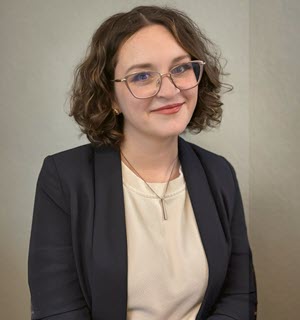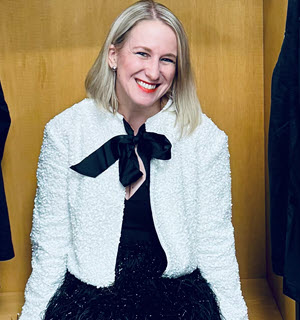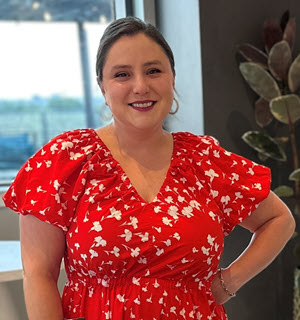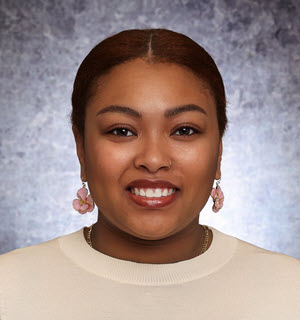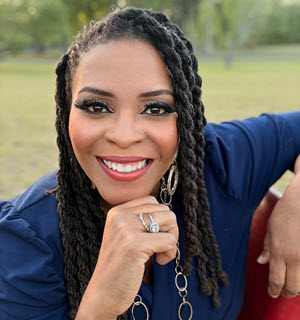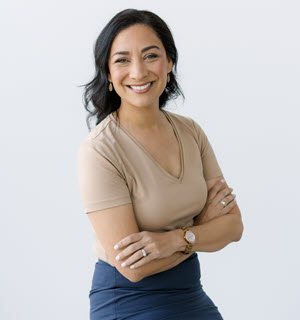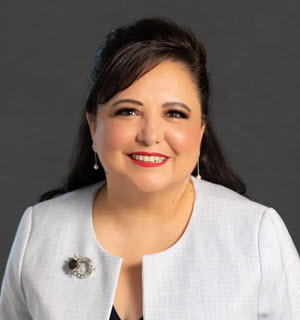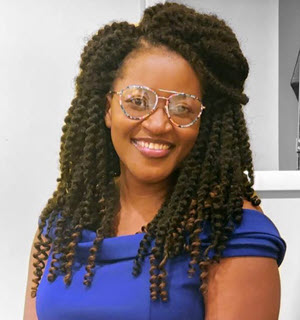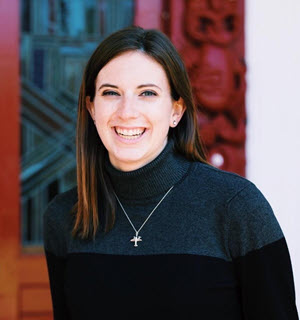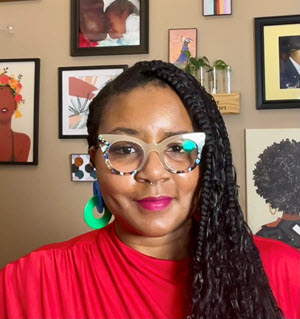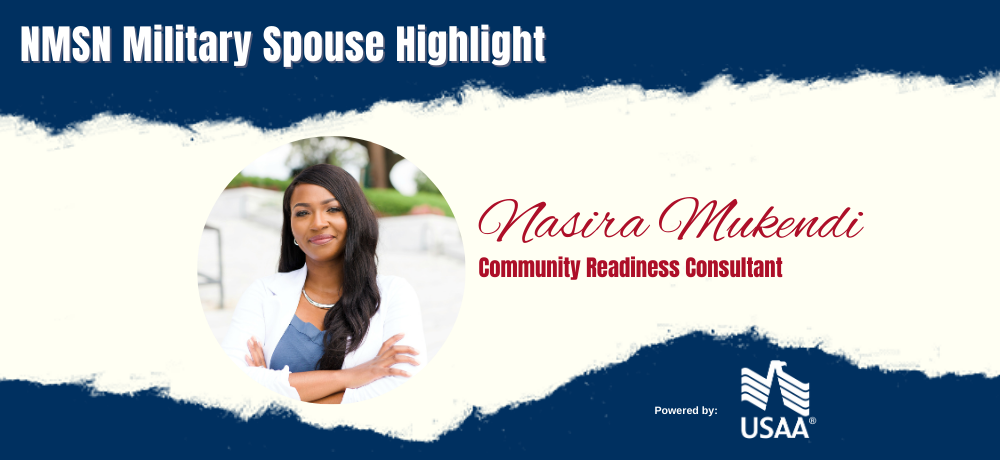
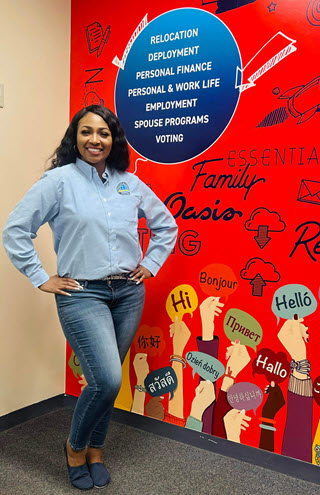
Nasira Mukendi
Community Readiness Consultant
Service Member's Branch - Air Force
Service Member's Status - Currently Serving - 21 years
 |
 |
 |
What has been your military spouse career/entrepreneur journey so far?

After completing my first bachelors in medical sciences in 2009, I worked various jobs while pursuing my masters degree. I received my master's degree in public health in 2011, while stationed overseas. I struggled to find employment in my desired career field, therefore, I took unrelated jobs in higher education and customer service to fill the gaps. I secured an entry level job in the federal system and I decided to go back to school for a second master's in social work in 2016. I progressively worked my way up the federal system eventually securing my dream position as a family readiness specialist in 2020. I was promoted from there to my current position as community readiness consultant.
Tell us about yourself.
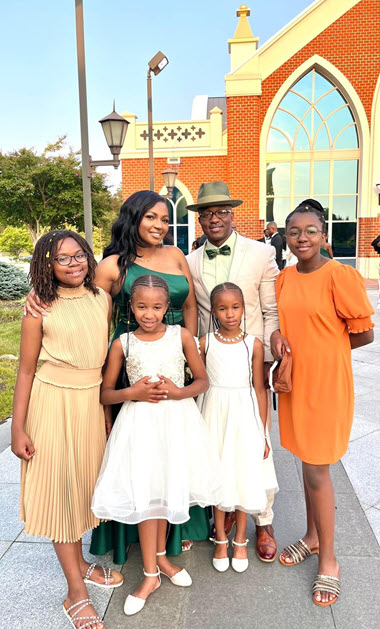
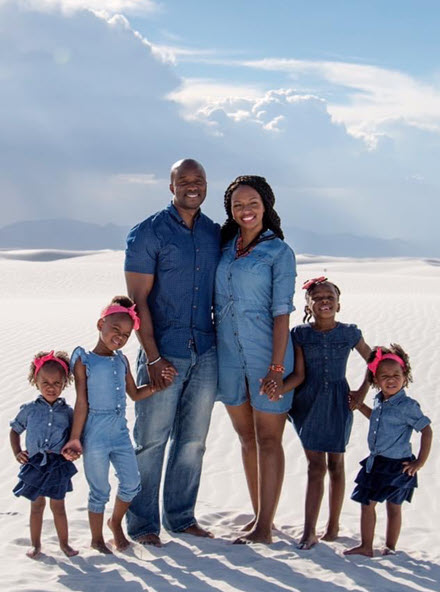
My name is Nasira, I am from Northern California. I have 4 children and have been a military spouse for 15 years. I've lived overseas twice and in three different US locations. I enjoy spending time with family, cooking, reading, traveling, cycling, and volunteering within the community.
Tell us about a "typical" day in your professional life.
A typical day in my professional life involves coordinating support programs for military members and their families, conducting outreach and counseling, instructing workshops and collaborating with various agencies to ensure the well-being of our service members and their loved ones.
If you've been stationed overseas, how did this affect your career and or business?
As a military spouse who has lived overseas twice, I found that my career was significantly impacted. Adapting to the new job market, regulations and limited options often meant restarting my career path, which posed challenges in terms of continuity and professional growth.
What has been your biggest military spouse career struggle and how did you overcome it?
My biggest struggle was finding portable employment within the public health sector. To overcome this, I pursued a second master's degree in social work, which eventually led me to a fulfilling career as a family readiness specialist within the federal system.
What role did mentors and sponsors play in your journey?
Mentors played a crucial role in my career journey. They provided guidance, support, and advocacy, helping me navigate the challenges of finding suitable employment throughout our various relocations. Their mentorship was instrumental in my professional growth and success within the federal system. Sponsors & key spouses also played a key role in providing base information before the move, which allowed me to secure a job and childcare prior to arrival at the new base.
How does your career path differ from what you imagined for yourself?
My career path has differed significantly from what I initially imagined. I had to adapt and pivot multiple times, I also had many gaps in employment due to moves. Finding that the career I had invested in initially didn't provide many portable options was a major setback. I eventually found a fulfilling role that allowed me to support military families and spouses.
How did military life (PCSing, deployments, trainings, etc) factor into your career decisions?
Military life, including Permanent Change of Station (PCSing), deployments, and trainings, often necessitated career shifts, employment gaps and adjustments. There were other times where it was the right time and opportunity for a promotion and PCS orders came down. I had to be flexible and open to new opportunities, sometimes taking positions where I was underemployed or employed outside of my chosen career before eventually finding the right fit.
Have you ever had to geo-bach due to your career/entrepreneurship?
I have not personally experienced geo-baching due to my career, but I understand the challenges it can pose. For those considering it, I would advise thorough planning, open communication with your partner, and seeking support networks within the military community.
What resources have you found to be useful in your career/entrepreneur journey?
The My Career Advancement Account (MyCAA) career training scholarship for obtaining portable certifications and training. Military OneSource and Spouse Education and Career Opportunities MySeco career coaching & resources. The Military Family Readiness Center, for employment. resume writing, entrepreneurship courses and other support resources.
Final word: what are your top tips for other military spouses about navigating a career within the military lifestyle?
My top tips for military spouses navigating a career within the military lifestyle would be to stay adaptable, pursue portable career options, volunteer, seek mentorship and support networks, and be open to new opportunities that may arise with each change in station. Network within the military community, become knowledgeable & leverage the many resources provided by military support organizations, and seek mentorship, these have been invaluable resources in my career journey.
| Listen to an interview with Nasira to hear more about her story. |
Tell Us YOUR Story |
Meet Spouses from Previous Weeks: