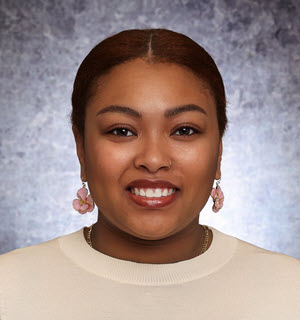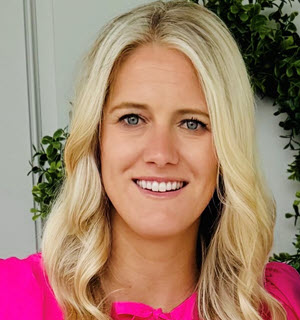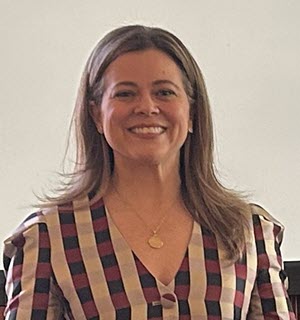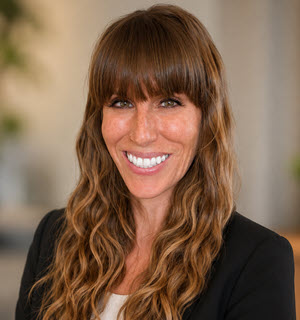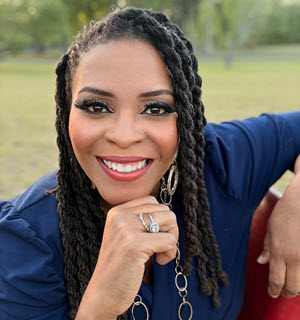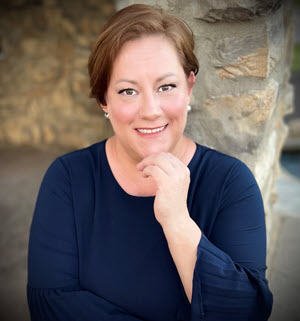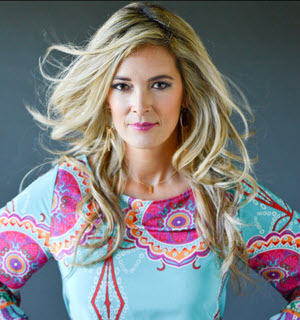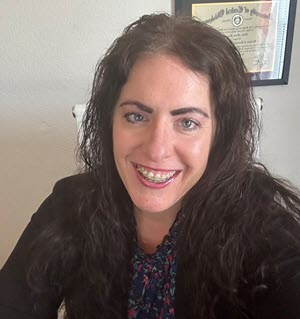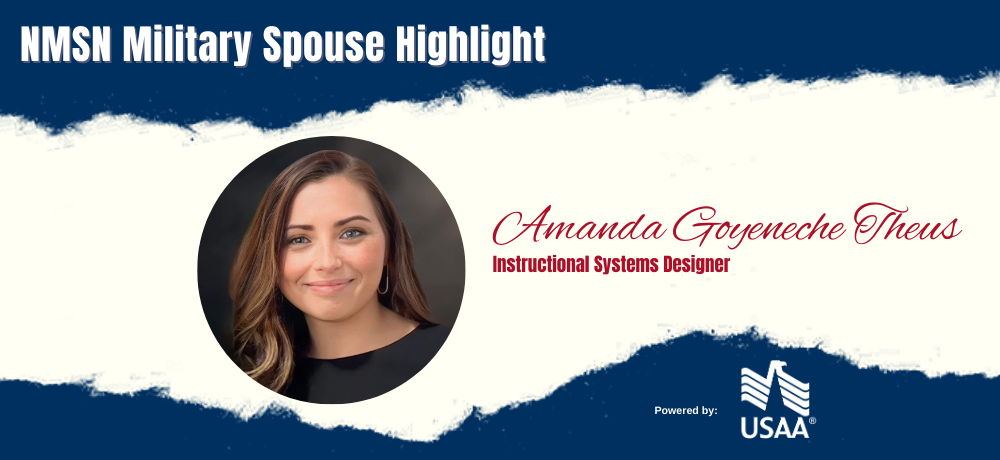
Amanda Goyeneche Theus
Instructional Systems Designer
Service Member's Branch - Army
Service Member's Status - Currently Serving - 21 years
 |
 |
What has been your military spouse career/entrepreneur journey so far?
When I met my husband I was in a comfortable position at my hometown university with lots of mentors and family support. It was quite a transition to get married and move across the country starting over with no actual knowledge of the military or the life that comes with it. I started the process of beginning my doctorate in education and taking some time to further my education in the field of instructional design and training systems but we started our family pretty quickly.
I chose to work rather than attend school. It was an abrupt left turn but a position with Lockheed Martin really opened up my career route in new ways with defense contracts and federal employment. I also worked for the Army for a period which was one of the most rewarding times of my career and was able to advance quickly, yet I was working a lot with 2 kids under the age of 2.
I moved back into the contract and private sector vowing to return to public service when remote/flexible work and pay equity was an option. My time with Raytheon reminded me I could make a huge impact and continue to grow my career as a military spouse. I am now happy to be back in public service working for TSA Headquarters. Even though many of my colleagues are in DC, I can greatly contribute to my agency and be in whatever state the Army needs our family. I am still always learning, growing, and advancing in my profession!
Tell us about yourself.
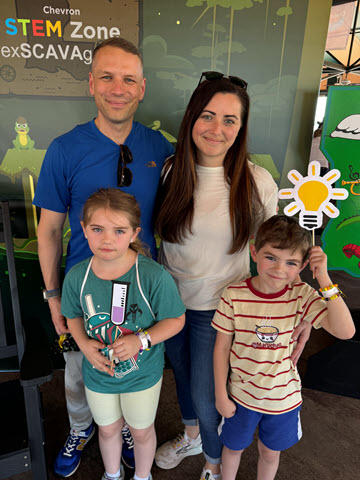
I'm Amanda. I am a mother, introvert, advocate, nerd, memoholic, and an Army spouse for the last 9 years. I grew up in SC and went to school in Boston. I have two children, 6 and 8 that keep me busy but I do enjoy volleyball, classic video games, a good period piece, and a nice spreadsheet.
Tell us about a "typical" day in your professional life.
I am a fully remote government employee but my typical day starts like most. Exercise, kids off to school, lots of coffee and then I'm in my home office for most of the day. I've been a fully remote employee for defense contractors, industry, or government agencies for about 7 of my 16 years of professional experience. I usually have a few virtual meetings each day and longer periods to manage and work on my projects. Collaboration and initiative are key to keeping my days moving and productive. Enjoying the benefit of real work-life balance is an important element to how I navigate my day-to-day work.
If you've been stationed overseas, how did this affect your career and or business?
N/A
What has been your biggest military spouse career struggle and how did you overcome it?
I think the biggest struggle I've had with my career has been colliding with systems that actively prevent me from advancing or in some cases holding me back from working. For instance, for the birth of my second child, I had not been a federal employee for an agency for at least a year making me ineligible for FMLA regardless of our recent PCS.
My choices were to take leave without pay, request advance leave, or quit my job. I wasn't ready to walk away from the work or needed income so my leadership advocated and approved for advanced leave. It took me more than a year to recoup the time. With two small children, no leave time, and a spouse working around the clock sometimes, it was painful and unnecessary. Without my mentors and coworkers advocating on my behalf, I would have given up.
Fortunately, there are new laws and protections now preventing this and giving military spouses relief. And with new solutions like the 4+1 Commitment, companies could support the unique yet common situations we milspouses find ourselves in.
What role did mentors and sponsors play in your journey?
Mentors are the reason I am in the position I am today. Without their guidance, support, and (sometimes uncomfortable) encouragement I would not have applied or achieved some of the accomplishments I have. Mentors are the people who speak your goals when you doubt yourself and help you see there is indeed a path worth charting. These relationships are so important because oftentimes our lifestyle constraints are not understood by most organizations. We all need someone who will advocate for us when challenges arise.
How does your career path differ from what you imagined for yourself?
I thought I would always work in higher education, but this life has opened doors to working among leaders in defense training, aerospace, aviation, security, and so much more than I ever imagined. Being a military spouse has influenced what I value in an organization and the impact of the work I do. I've watched my spouse making a difference in the Army and with fellow soldiers. It has inspired me to strive to create the same impact in my field and the people I work with.
How did military life (PCSing, deployments, trainings, etc) factor into your career decisions?
Since getting married, every aspect of my career choices have been based on the benefits and constraints of being a military family. Our lifestyle can be limiting for career advancement depending on the field and location. Since I was already established in my profession when I got married, I didn't want to take a step back and we've always agreed I shouldn't have to. Fortunately, I have had mentors and support finding the right positions for me to have a successful career while supporting a spouse that puts in just as much dedication to his career.
Have you ever had to geo-bach due to your career/entrepreneurship?
No
What resources have you found to be useful in your career/entrepreneur journey?
Fellow military spouses! So many spouses and veterans are out there ready to connect and share information with others. It's a great community to be a part of. LinkedIn has been great for finding networking groups and career opportunities as well. I've had a few top-tier employee resource groups that connect military spouses within an organization. These lifelines are so important when navigating your organization, field of work, and changes to the service member's responsibilities.
Final word: what are your top tips for other military spouses about navigating a career within the military lifestyle?
We are all so very different in what we want for our careers, families, and futures. I will simply pass along tips that have been shared with me.
- Be flexible with your career goals, nothing about this lifestyle fits in one box (we should all know this from PCS)
- Make an impact and learn from every opportunity, and yes, even challenges and hardships are opportunities
- Keep Calm and Carry On is the advice given to me by a mentor upon finding out I was marrying into the military. It works for almost everything!
| Listen to an interview with Amanda to hear more about her story. |
Tell Us YOUR Story |
Meet Spouses from Previous Weeks: